

Cashel vs Kensington Fly Mask: Which Protects Better
Table of Contents
- Cashel vs Kensington Fly Mask: The Core Differences
- UV Protection and Eye Safety Comparison
- Best Fly Mask for Horses with Sensitive Eyes
- Material Durability and Long-Term Wear
- How to Measure a Horse for a Fly Mask
- Fly Mask with Ears vs Without: Which Offers Better Protection
- Fit, Comfort, and Design: What Matters Most
- Making Your Choice: Cashel, Kensington, or Premium Alternatives
- Frequently Asked Questions
Last Updated: September 18, 2026
Cashel vs Kensington Fly Mask: The Core Differences
When you're choosing a fly mask for your horse, the decision between Cashel and Kensington often comes down to specific needs: UV protection, durability, fit, and how well your horse tolerates the mask during daily turnout. Both brands have earned reputations in the equestrian community, but they approach fly mask design differently. Understanding those differences helps you select the right protection for your horse's eyes and face.
The Cashel vs Kensington fly mask comparison reveals important trade-offs in material stiffness, mesh density, and long-term durability that directly impact how long a mask lasts before needing replacement.
Cashel masks typically feature a firmer mesh construction designed for durability in high-insect environments. Kensington masks lean toward softer, more flexible materials that prioritize comfort and reduced rubbing. Neither approach is universally superior, the better choice depends on your horse's head shape, eye sensitivity, and how much time he spends in pasture.
The core differences extend beyond material choice. UV protection levels, forelock clearance design, and how securely each mask stays in place during movement all factor into the decision. A mask that collapses inward or shifts during grazing offers less protection than one engineered to maintain its shape under real-world conditions.
UV Protection and Eye Safety Comparison
Ultraviolet blocking is the primary function of any fly mask, especially for horses with photosensitivity, uveitis, or light-colored faces prone to sunburn. Both Cashel and Kensington masks block a meaningful portion of UV rays, but the construction methods differ.
Cashel masks typically offer strong UV protection through tightly woven mesh that blocks harmful rays while maintaining visibility. The mesh density creates a barrier that works consistently across different lighting conditions. This approach prioritizes eye safety and suits horses that spend extended hours in direct sunlight.
Kensington masks also provide solid UV protection, though the softer mesh material may allow slightly more light penetration compared to Cashel's firmer construction. The trade-off is comfort, softer mesh reduces pressure points and rubbing around sensitive areas like the eyes and muzzle.
For horses with diagnosed eye conditions like equine recurrent uveitis or corneal ulcers, UV protection becomes medical-grade protection rather than optional convenience. Premium solutions like those from TUFFTEQ offer 95% UV eye protection specifically engineered for horses with eye trauma or light sensitivity, combining high-grade nylon and mesh construction with a built-in visor for additional shade and glare reduction.
The key takeaway: if your horse has existing eye issues or extreme sun sensitivity, prioritize masks tested for maximum UV blocking. If your horse tolerates turnout well and simply needs pest protection, either Cashel or Kensington provides adequate UV defense.
Best Fly Mask for Horses with Sensitive Eyes
Horses with sensitive eyes need more than basic fly protection, they need a mask that won't irritate the eyes themselves while providing comprehensive UV blocking and pest control. Sensitivity often stems from uveitis, previous eye trauma, or naturally reactive eyes that swell or tear in response to dust and insects.
The challenge with choosing the best fly mask for horses with sensitive eyes is balancing protection against the mask's physical contact. A mask that rubs the eyelids or applies pressure around the orbital area can worsen existing sensitivity rather than improve it. Proper fit becomes critical.
Cashel masks work well for sensitive-eyed horses when sized correctly. The firmer mesh doesn't collapse inward, which prevents the mask from pressing against the eye during movement. The design keeps consistent distance from the eyeball, reducing irritation risk.
Kensington masks also accommodate sensitive eyes, particularly models with extra forelock clearance and soft padding around the eye opening. The gentler material reduces pressure-related irritation, though the softer construction requires more frequent inspection to ensure it hasn't shifted or collapsed.
For horses with diagnosed sensitivity or previous eye conditions, masks designed specifically for medical-grade protection offer the best outcome. These masks combine UV protection with ergonomic eye clearance, ensuring no part of the mask contacts the eyeball or eyelid. A built-in visor reduces glare, which decreases eye strain and irritation during bright days.
Material Durability and Long-Term Wear
Durability separates masks that last one season from those that survive multiple years of daily turnout. Material choice directly determines how quickly a mask deteriorates, how resistant it is to abrasion, and whether it maintains its protective shape over time.
Cashel masks excel in durability due to their firmer mesh construction and high-quality nylon materials. The stiff mesh resists deformation even after months of use. Horses grazing, rolling, and moving through brush don't easily collapse or damage the mask structure. This durability comes at a cost: the firmer material can cause rubbing if the fit isn't precise, and some horses find the stiffness uncomfortable initially.
Kensington masks prioritize comfort with softer materials, which means they tend to show wear faster. The flexible mesh can compress or lose shape after extended use, particularly if your horse rubs the mask against fence posts or gates. Softer materials also abrade more easily when horses graze in rocky pastures or brush-heavy environments.
Long-term wear analysis reveals that Cashel masks typically outlast Kensington masks with daily turnout, assuming proper fit and care. The trade-off is clear: durability versus initial comfort.
Environmental factors matter significantly. Horses in high-insect areas that spend 8+ hours daily in pasture benefit from Cashel's durability. Horses with limited turnout or those used primarily for riding benefit equally from either option since the mask receives less daily stress.
How to Measure a Horse for a Fly Mask
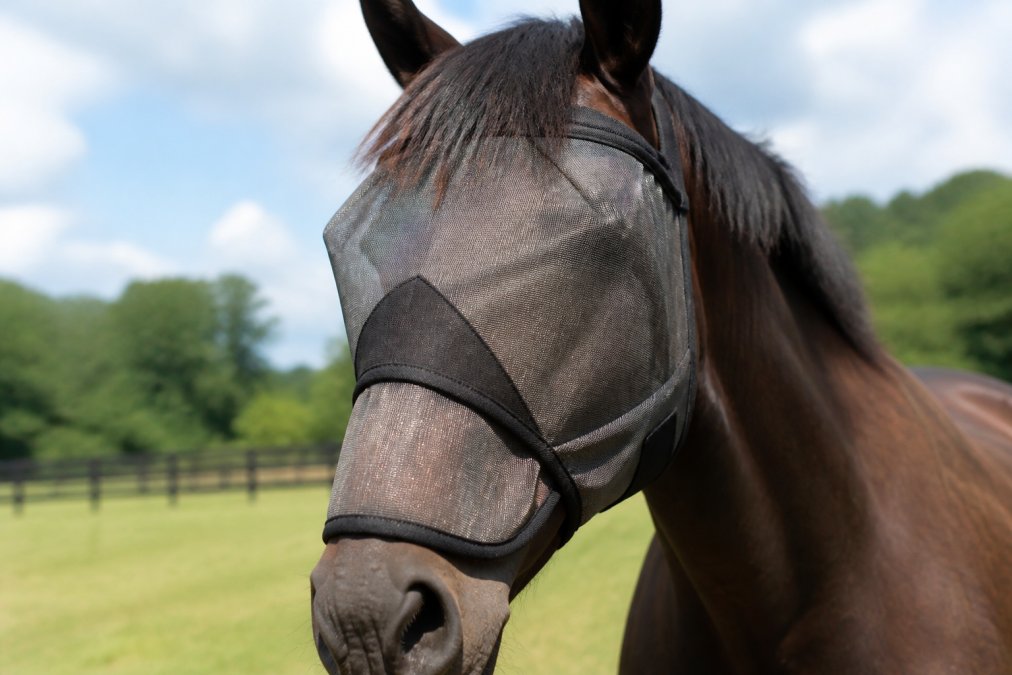
Proper measurement is non-negotiable. A mask that doesn't fit correctly will shift during movement, collapse inward, or create pressure points that irritate your horse's face and eyes. Measuring takes five minutes and prevents weeks of frustration.
Start with a soft measuring tape. Measure horizontally around the widest part of your horse's head, just below the eyes and across the cheekbones. This measurement determines the mask's overall size. Most horses wear sizes ranging from small (miniature horses and ponies) to draft (larger warmblood and draft breeds).
Next, measure from the inside corner of one eye to the inside corner of the other eye. This eye-to-eye distance ensures the mask's eye openings won't press against the eyeballs. There should be at least one-half inch of clearance on each side of the eye.
Measure the length from the top of the muzzle to the base of the ears. This determines forelock clearance and ensures the mask sits properly without sliding backward or forward. A mask that sits too high will obstruct vision; one that sits too low will rub the muzzle.
Check your horse's face shape. Horses with broad heads (drafts, some warmbloods) need masks designed for wider faces. Narrow-faced horses (Thoroughbreds, Arabs) need slimmer designs. Cashel and Kensington both offer size variations, but fit quality differs within each size.
Write down all measurements and compare them to the sizing charts provided by each manufacturer. When in doubt, contact customer service with your measurements, they can recommend the best size for your horse's specific head shape. Proper fit prevents the mask from shifting, collapsing, or creating uncomfortable pressure points during turnout.
Fly Mask with Ears vs Without: Which Offers Better Protection
Fly masks come in two primary styles: with ear coverage and without. The choice affects how much of your horse's head receives protection from insects and sun.
Masks with ear coverage protect the ears themselves from flies, mosquitoes, and sun exposure. Horses with ear sensitivity or those in extremely buggy environments benefit from this additional coverage. The ear pieces also reduce insects from entering the ear canal, which can cause infection or irritation.
Masks without ear coverage leave the ears exposed but offer slightly better visibility and less pressure around the poll area.
Fit, Comfort, and Design: What Matters Most
Fit determines whether a mask becomes part of your horse's daily routine or a source of daily frustration. A well-fitting mask stays in place during movement, doesn't shift when your horse grazes, and causes no rubbing or pressure points.
Making Your Choice: Cashel, Kensington, or Premium Alternatives
Choosing between Cashel and Kensington comes down to your priorities. Cashel suits horses that need maximum durability and UV protection in high-insect environments. The firmer mesh resists deformation, lasts longer, and provides consistent protection even after months of daily turnout. If your horse spends 8+ hours daily in pasture and you want a mask that survives multiple seasons, Cashel's durability justifies the initial investment.
Frequently Asked Questions
What's the main difference between Cashel and Kensington fly masks?
Cashel masks prioritize durability with stiffer mesh and reinforced construction, making them ideal for high-wear environments. Kensington emphasizes comfort with softer, more breathable fabric and a lighter fit. The choice depends on whether your horse needs maximum durability or maximum comfort. Both offer UV protection, but Cashel's stiffer mesh maintains shape better over time, while Kensington's softer design reduces pressure on sensitive faces.
How do you determine the correct fly mask fit for your horse?
Measure your horse's face from the center of the forehead to the tip of the muzzle, then measure the width across the broadest part of the face. Most masks come in sizes like Pony, Cob, Horse, and Draft. Check that the mask sits snugly without gaps, allows full eye clearance without pressure, and permits forelock to move freely. A properly fitted mask should not shift during movement or turnout. If your horse has an unusually broad head, draft-size or plus-size options provide better stability.
Do fly masks with ears provide better insect protection than masks without?
Fly masks with ears extend coverage to the ear area, blocking insects and reducing sun exposure on sensitive ear tips. Horses with light-colored ears or history of sunburn benefit significantly from ear coverage. Masks without ears offer better visibility and less pressure around the poll but leave ears exposed. For horses in high-insect environments or with photosensitivity, ear coverage adds meaningful protection. The trade-off is slightly less field visibility and potentially more heat retention in summer.
What UV protection percentage do these masks actually provide?
Quality fly masks typically block 95% or more of harmful ultraviolet rays through high-grade nylon and mesh construction. This level of protection significantly reduces eye irritation, photosensitivity reactions, and long-term sun damage. Both Cashel and Kensington offer masks in this protection range, though specific certifications vary by model. For horses with uveitis or corneal ulcers, 95% UV blocking is the standard to prevent flare-ups. Always verify the specific UV rating for the exact model you're considering, as protection levels can differ between styles.
Recent Post

Best Fly Mask for...
Sep 23, 2026 - by Editorial Team
How to Prevent Ho...
Sep 19, 2026 - by Editorial Team
Cashel vs Kensing...
Sep 17, 2026 - by Editorial TeamArchive
- September 2026
-
- Best Fly Mask for Uveitis: 5 Top Options
- How to Prevent Horse Eye Sunburn: Complete Protection Guide
- Cashel vs Kensington Fly Mask: Which Protects Better
- How to Protect Horse Eyes from Uveitis: A 2026 Guide
- How to Measure Horse Head Size: A Step-by-Step Guide
- Fly Mask With UV Protection: A 2026 Guide for Horse Owners
- July 2026